



News
Container GPS Tracking for Shipping: B2B Device Selection Checklist

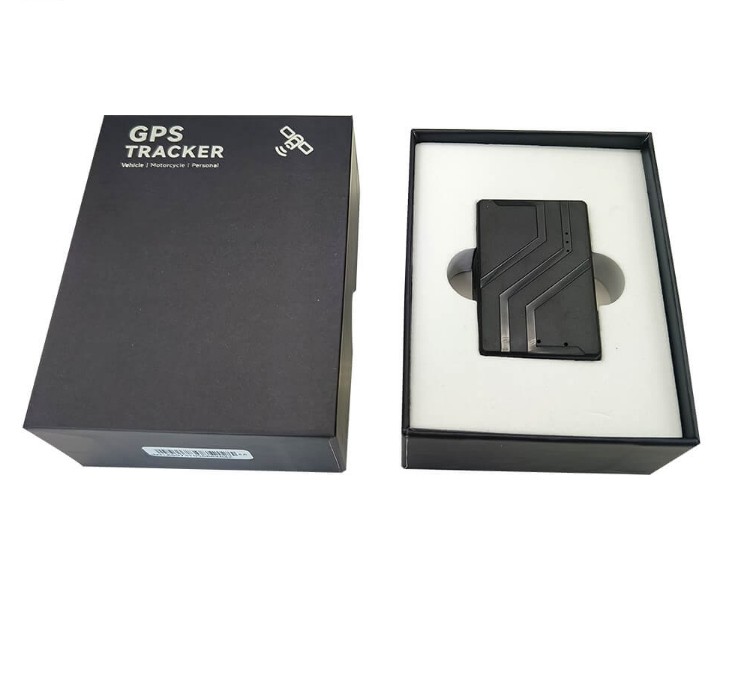
Container GPS tracking projects need more than a device that can report a location. Shipping operators, logistics companies, IoT integrators and GPS tracker distributors must match the tracker to the container workflow, installation plan, reporting schedule, target-market network and tracking platform before scaling from samples to a bulk deployment.
This B2B guide explains how to plan container GPS tracking for shipping and intermodal projects. It focuses on the questions procurement teams should resolve before selecting a magnetic asset tracker, defining a platform workflow or requesting OEM/ODM supply.
Start with the Container Tracking Workflow
First define what the project needs to monitor. A container can move between depots, terminals, ports, rail yards, customer sites and inland routes. The required reporting behavior should reflect that workflow rather than a generic vehicle-tracking configuration.
- Which container types and routes are included in the deployment?
- Is a non-wired magnetic installation required?
- What reporting interval is useful while moving, waiting at a yard or arriving at a geofence?
- Which movement, vibration or location events need to appear in the platform?
- Which countries and LTE bands apply to the planned route?
Choose a GPS Tracker That Fits the Installation Plan
For container tracking projects where wiring is not practical, a magnetic asset tracker is a useful device direction to evaluate. The tracker should be tested on the intended container or trailer mounting position before a wider deployment. Review the AW09A Magnetic 4G Asset GPS Tracker for a container and trailer project starting point.
Projects that manage containers and trailers together can also use the container shipping and trailer tracking solution to compare the operational considerations for non-wired assets and fleet equipment.
Confirm LTE Bands and Platform Data Before Ordering Samples
Container movements can cross multiple regions, so the target network environment should be confirmed before the sample stage. Buyers should share available LTE-band requirements, SIM or APN approach, target countries and platform details early enough to select an appropriate device version and configuration.
- Target countries, route regions and known LTE-band requirements.
- Server, protocol or platform information available for the project.
- Required location, movement and alert data fields.
- Reporting intervals for transit, yard dwell time and geofence events.
- Sample quantity and expected project volume.
Build a Sample Test Around Real Shipping Conditions
A desk test is useful for initial setup, but the sample plan should also reflect the expected operating conditions. Test the selected device on a representative container or trailer, review the reporting behavior in the intended platform and record the required settings before a bulk purchase decision.
- Confirm mounting position and installation workflow.
- Validate location reports and route history in the selected platform.
- Check movement, vibration or geofence workflows required by the project.
- Review reporting behavior during transit and planned dwell periods.
- Document required server, protocol, firmware and alert settings.
Plan OEM and Distributor Requirements Early
For private-label or distribution projects, confirm device selection before finalizing logo, label, packaging or firmware requirements. The OEM GPS tracker manufacturing capability page outlines the procurement information that helps an OEM/ODM project move into sample testing with fewer unknowns.
Container GPS Tracking RFQ Checklist
- Container, trailer or asset type and intended mounting position.
- Target market, routes and LTE-band requirements.
- Expected reporting interval and alert workflow.
- Platform, server or protocol information available for integration.
- Sample test plan and estimated bulk quantity.
- OEM branding, firmware or packaging requirements, where applicable.
FAQ
What type of GPS tracker is suitable for container tracking?
The suitable tracker depends on the installation, power and reporting requirements. For non-wired container deployments, buyers can evaluate a magnetic asset tracker and confirm the intended mounting position during sample testing.
What should I confirm before ordering container GPS trackers?
Confirm the asset type, target countries, LTE bands, mounting plan, reporting interval, platform or protocol requirements, alert workflow and expected quantity before sample selection.
Can container GPS trackers be used for OEM or distributor projects?
Qualified B2B buyers can discuss device selection, samples, firmware parameters, branding, packaging and bulk supply requirements with ALL WAY GPS.
Why should a container tracking project use sample testing?
Sample testing helps buyers confirm installation, network behavior, location reporting, platform data and alert workflows in conditions that resemble the intended deployment.
Planning a container GPS tracking project? Contact ALL WAY GPS with your route, target market, platform and quantity requirements.
 Vehicle GPS Tracker
 Asset GPS Tracker
 OBD GPS Tracker
 Pet GPS Tracker
 Tag Tracker