



News
GPS Tracking System for Logistics: Device, Platform and Deployment Checklist


For logistics operators, fleet solution providers and GPS tracker distributors, a tracking project is not only a map with moving vehicle icons. A practical GPS tracking system for logistics must connect the right 4G devices, platform data, alert rules, installation methods and operating procedures.
This B2B checklist explains how to plan GPS tracking for delivery vehicles, trucks, trailers, containers and cargo. It focuses on the questions buyers should resolve before sample testing and bulk deployment.
Define the Logistics Workflow Before Choosing a Tracker
Start with the movement you need to monitor. A powered delivery truck, an unpowered trailer and a shipping container have different installation, power and reporting requirements. Selecting one tracker for every asset may simplify purchasing, but it can create operational problems later.
- Delivery vehicles and trucks: usually need fixed power, ignition status, route history and frequent reporting.
- Trailers: may need a battery-powered or externally powered tracker, depending on access to vehicle power and usage frequency.
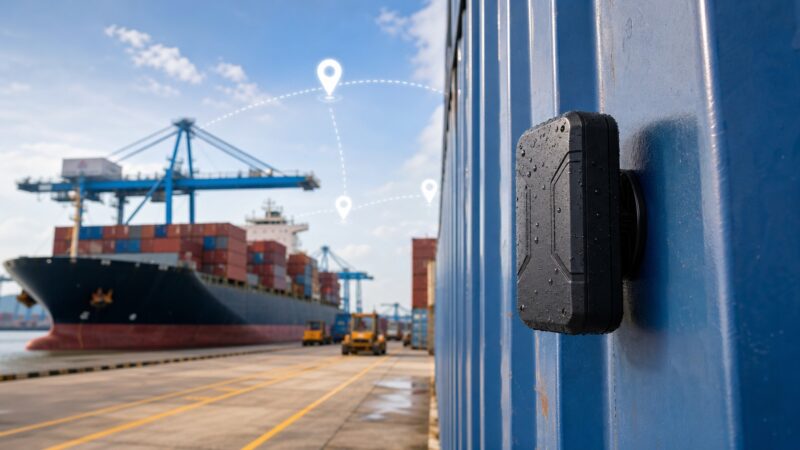
- Containers and cargo: often need long standby time, scheduled reporting, movement alerts and a discreet installation method.
- Temporary or rental assets: benefit from fast installation and easy reassignment between assets.
Document the route length, operating region, asset type, available power, reporting frequency and exception events before comparing hardware. These details determine which logistics GPS tracker is suitable for the project.
Match the GPS Tracker Type to Each Logistics Asset
| Logistics asset | Typical tracker direction | Important buyer checks |
|---|---|---|
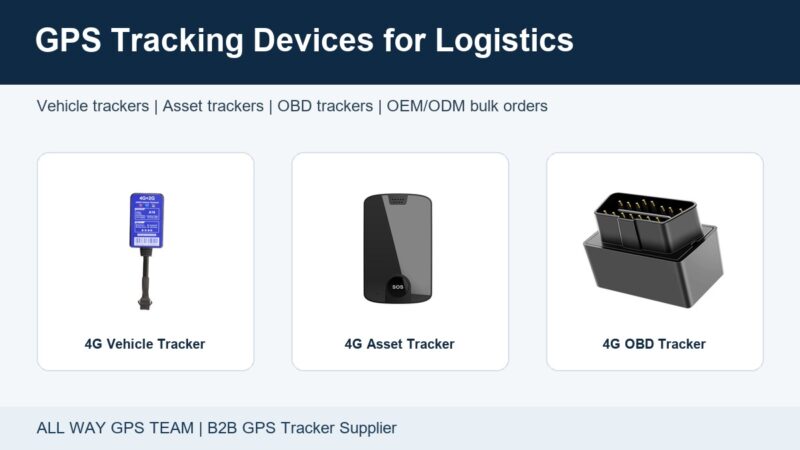
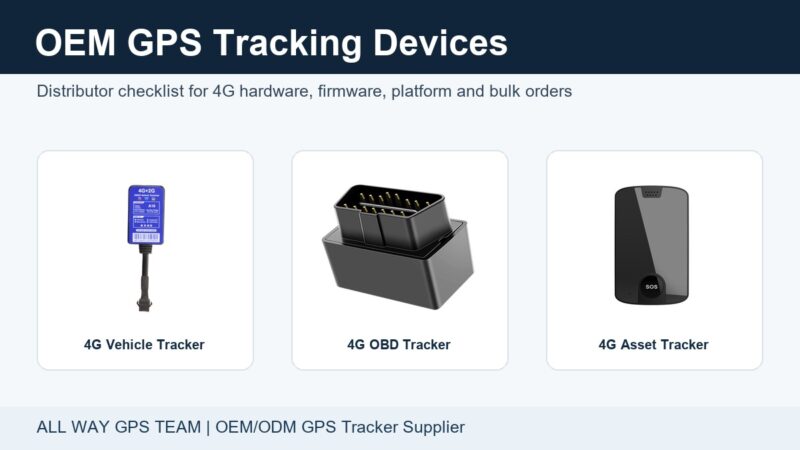
| Truck, van or delivery vehicle | Hardwired 4G vehicle GPS tracker | Voltage range, ACC detection, installation, backup battery, LTE bands |
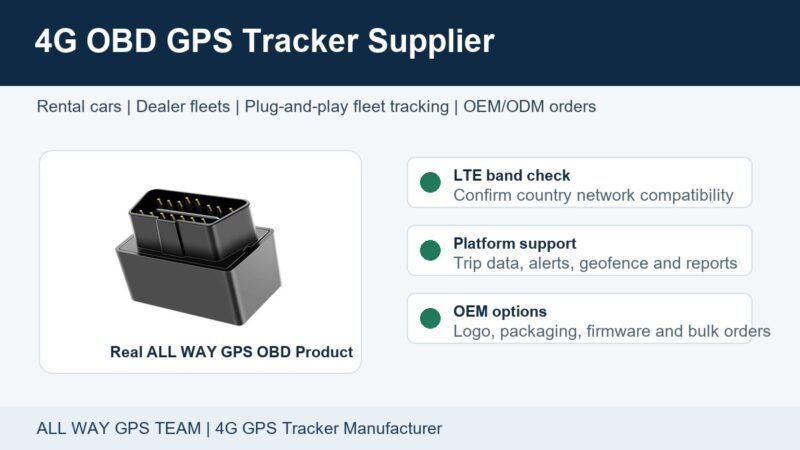
| Short-term or compatible fleet vehicle | 4G OBD GPS tracker | OBD compatibility, removal alert, plug-and-play workflow, platform data |
| Trailer or mobile equipment | Battery-powered or magnetic asset tracker | Battery strategy, mounting, housing protection, movement alerts |
| Container or cargo | Long-standby asset tracker | Reporting interval, network coverage, installation position, geofence events |
For fixed fleet installations, review the 4G vehicle GPS tracker supplier checklist. For trailers and unpowered equipment, compare the requirements in the magnetic GPS tracker guide.
Plan the Platform Data Before Sample Testing
A GPS tracking system for logistics should deliver information that the operations team can use. More data is not always better. Very frequent reporting can increase mobile data use and battery consumption without improving decisions.
Define the minimum useful data set for the project:
- Current location and last valid position
- Route history and trip timing
- Ignition or ACC status for powered vehicles
- Movement, vibration or unauthorized relocation events
- Geofence entry and exit at depots, customer sites or restricted areas
- External power disconnection or low-battery status
- Device online/offline status and last communication time
If the buyer already operates a fleet or IoT platform, protocol and firmware requirements should be reviewed before samples are shipped. Share the server settings, expected reporting interval, alert logic and required data fields with the supplier. The GPS tracker platform integration checklist provides a more detailed preparation list.
Choose Reporting Rules for Visibility and Battery Life
Reporting strategy is one of the most important design choices in logistics GPS tracking. The correct interval depends on whether the asset is moving, parked, delayed or exposed to a security risk.
- Active vehicle reporting: shorter intervals can support route visibility and dispatch monitoring.
- Parked vehicle reporting: a lower-frequency or sleep mode can reduce unnecessary communication.
- Long-haul trailer or container reporting: scheduled updates may provide enough visibility while protecting battery life.
- Exception reporting: movement, geofence, tamper or power alerts can notify operators when action is needed.
Do not evaluate battery life from a headline standby figure alone. Ask the supplier to explain the assumed reporting interval, sleep mode, network conditions and alert frequency. Then test the planned configuration on the real route.
Confirm 4G LTE Bands and SIM Requirements
A logistics tracker depends on mobile connectivity to send location and status data. For projects covering one or more countries, confirm the required LTE bands, module version, SIM card approach and roaming plan before choosing samples.
Ask these questions early:
- Which 4G LTE bands are used in the deployment country or region?
- Will vehicles or assets cross national borders?
- Does the project use local SIM cards, roaming SIMs or an IoT connectivity provider?
- How are APN settings configured and updated?
- What happens when the device temporarily loses network coverage?
- Can stored location data be uploaded after connectivity returns?
Network confirmation should happen before platform testing. A device with the wrong regional band configuration can produce misleading results even when the firmware and server settings are correct.
Design Alerts Around Logistics Exceptions
Useful alerts should correspond to an operating decision. Too many alerts can overwhelm the dispatch team, while missing alerts can leave an exception unnoticed.
| Alert | Possible logistics use | What to validate |
|---|---|---|
| Geofence entry or exit | Depot arrival, customer-site departure, restricted-zone monitoring | Geofence size, delay, platform display and notification workflow |
| Movement or vibration | Unexpected trailer, container or equipment movement | Sensitivity, false alarms and sleep-mode behavior |
| Power cut | Vehicle tracker tamper or electrical disconnection | Backup battery behavior and alert delivery |
| Low battery | Maintenance planning for asset trackers | Threshold, remaining operating time and replacement process |
| Offline device | Identify coverage, SIM, power or hardware issues | Offline threshold and escalation responsibility |
During sample testing, record the expected action for every alert. An alert is valuable only when the customer knows who receives it, how quickly it appears and what response it should trigger.
Run a Logistics GPS Tracker Sample Test
Desk testing can confirm basic communication, but it cannot reproduce the power, signal and movement conditions of a logistics route. A useful sample plan should include the intended vehicle or asset, installation position, SIM card, platform and reporting configuration.
- Confirm the target country, LTE bands and SIM settings.
- Install the device using the planned production method.
- Verify first position, server connection and device identity.
- Drive or move the asset on a representative route.
- Check route history, stops, geofences and exception alerts.
- Test parking, sleep, weak-signal and temporary offline conditions.
- Review battery consumption or external-power behavior.
- Document firmware, platform and installation changes before the next test.
For container-focused deployments, also review the magnetic GPS tracker guide for trailers and equipment when deciding mounting, standby and reporting requirements.
Prepare for OEM and Bulk Deployment
After the sample configuration is approved, freeze the details that must remain consistent in production. This reduces differences between the tested sample and later shipments.
- Hardware and regional network version
- Firmware version and default server parameters
- APN, reporting interval and alert settings
- Accessories, cable set and installation materials
- Device ID, IMEI or serial-number management
- Logo, label, packaging and user guide requirements
- Quality inspection and sampling procedure
- Lead time, repeat-order plan and after-sales process
Distributors and solution providers should also define how devices are activated, assigned to customers and supported after installation. This operational preparation is as important as the tracker specification.
GPS Tracking System for Logistics FAQ
What is a GPS tracking system for logistics?
It combines GPS tracking devices, 4G connectivity, firmware and a monitoring platform to provide location, route, status and alert data for vehicles, trailers, containers or cargo.
Which GPS tracker is suitable for logistics vehicles?
Hardwired 4G vehicle trackers are commonly used for long-term truck and van installations. OBD trackers may fit compatible vehicles that need faster installation. The final choice depends on power, installation, platform and alert requirements.
How can trailers and containers be tracked without vehicle power?
Battery-powered or magnetic asset trackers can support trailers, containers and other unpowered assets. Buyers should evaluate reporting frequency, battery strategy, mounting, housing protection and network coverage.
Can logistics GPS trackers connect to an existing platform?
Platform compatibility depends on the device protocol, firmware and required data fields. Buyers should share available server and protocol requirements and validate the selected device through sample testing.
What should be tested before a bulk order?
Test LTE connectivity, positioning, route history, reporting intervals, alerts, power or battery behavior, platform integration and installation on a representative logistics route.
Plan Your Logistics Tracking Project
ALL WAY GPS supports qualified B2B projects for logistics vehicles, trailers, containers and mobile assets. Share your target country, asset type, estimated quantity, platform requirements, reporting plan and OEM needs so the device and sample direction can be evaluated.


 Vehicle GPS Tracker
 Asset GPS Tracker
 OBD GPS Tracker
 Pet GPS Tracker
 Tag Tracker