



News
GPS Tracking Devices for Logistics Companies: Vehicle, Asset and OBD Tracker Checklist

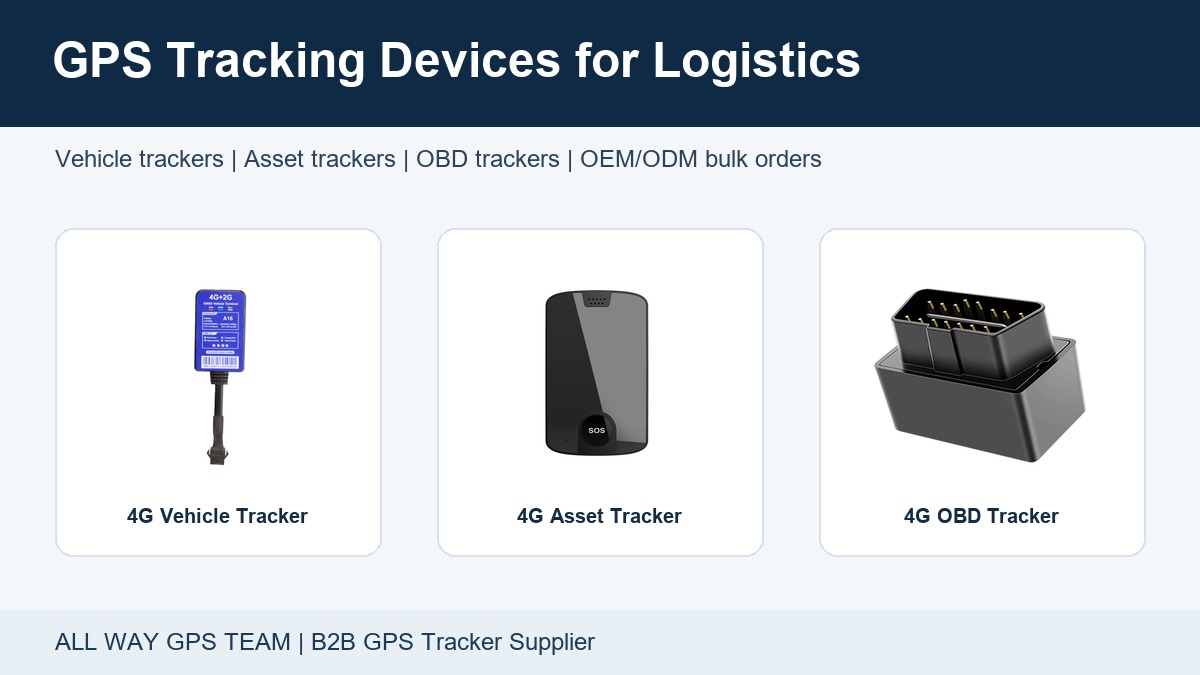
Need GPS Tracking Devices for Logistics Fleets?
Tell us your target country, vehicle type, cargo monitoring needs, expected quantity, platform requirements, and OEM branding plan. ALL WAY GPS can help match 4G vehicle trackers, asset trackers, and OBD trackers for logistics projects.
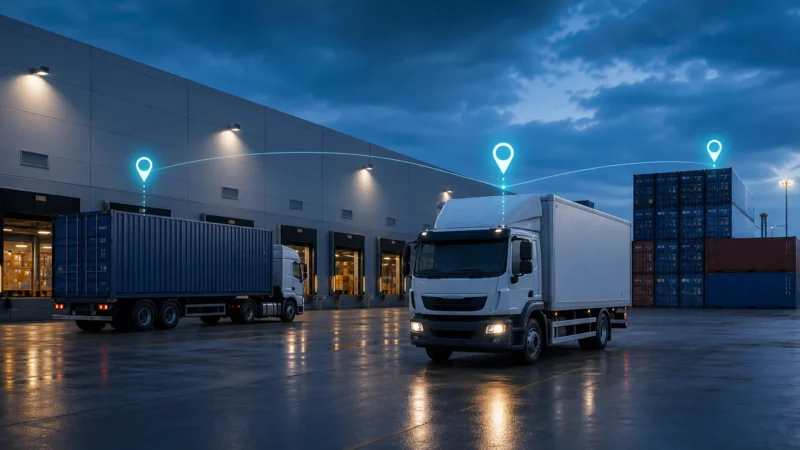
For logistics companies, fleet solution providers, importers, and GPS tracker distributors, choosing the right GPS tracking devices is not only about locating vehicles on a map. Logistics operations may need vehicle monitoring, cargo visibility, route history, geofence alerts, power cut alerts, asset tracking, and platform reporting across trucks, vans, containers, trailers, and mobile equipment.
Current search demand around fleet tracking is strongly connected with real-time visibility, geofencing, route history, asset monitoring, OBD plug-and-play devices, and platform support. For B2B buyers, this means the best supplier is usually the one that can recommend the right device mix instead of offering one generic tracker for every logistics scenario.
Start with the Logistics Use Case
A logistics buyer may need different tracking devices for different parts of the operation. A truck fleet, container shipment, and short-term rental vehicle project do not have the same hardware requirements.
| Logistics Need | Recommended Device Type | Buyer Checkpoint |
|---|---|---|
| Truck and van fleet tracking | 4G wired vehicle GPS tracker | Voltage range, ACC detection, route history, geofence, relay option |
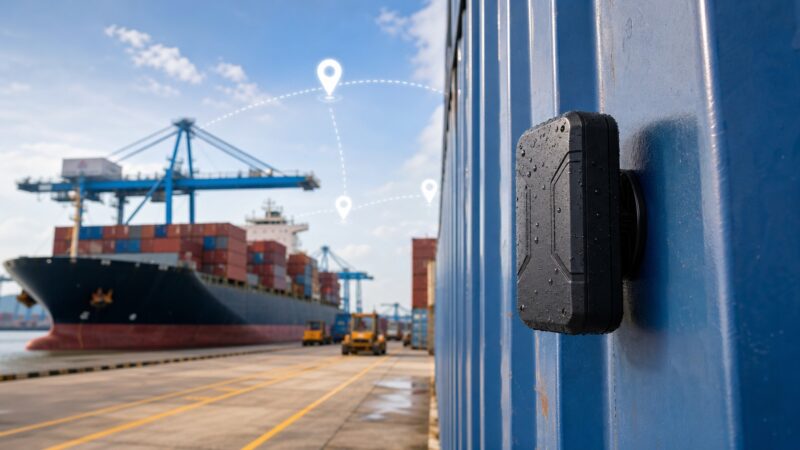
| Container and cargo monitoring | Long battery asset GPS tracker | Battery mode, magnetic mounting, waterproof design, reporting interval |
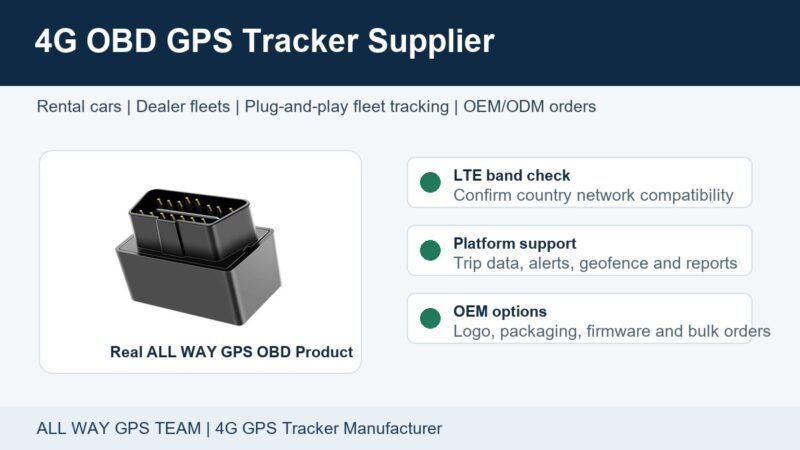
| Fast fleet trials or rental vehicles | 4G OBD GPS tracker | Plug-and-play setup, removal alert, platform connection, LTE bands |
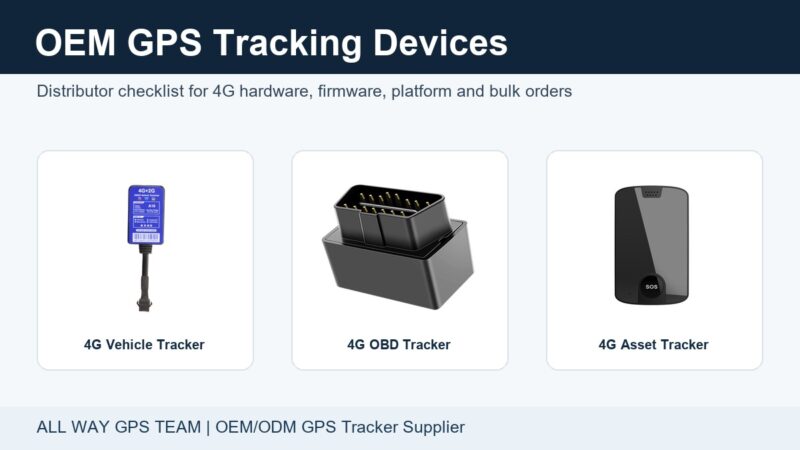
| Distributor product line | Mixed vehicle, asset, and OBD models | OEM/ODM branding, packaging, samples, MOQ, bulk consistency |
Key Features Logistics Buyers Should Compare
Before choosing a GPS tracker supplier, logistics companies should define which tracking features are needed for operation, customer reporting, and risk control.
- Real-time location: helps dispatchers and managers know vehicle or cargo status.
- Route history: supports trip review, delivery verification, and fleet operation records.
- Geofence alerts: helps monitor warehouses, ports, customer sites, and restricted zones.
- Power cut or removal alerts: useful for anti-theft and device tampering situations.
- Platform reports: supports repeated monitoring, device management, and customer service.
- LTE band compatibility: critical for international buyers deploying devices in different countries.
Compare Vehicle, Asset, and OBD Trackers
Using only one tracker type may limit the project. A logistics buyer often gets better coverage by using a combination of tracker models.
| Device Type | Best For | Limitation to Consider |
|---|---|---|
| 4G vehicle GPS tracker | Long-term truck, van, and fleet installation | Requires wiring and installation planning |
| 4G asset GPS tracker | Containers, cargo, trailers, equipment, mobile assets | Battery reporting interval must match project needs |
| 4G OBD GPS tracker | Rental cars, dealer fleets, pilot tests, fast deployment | Plug-in design can be easier to remove |
Buyers can review related ALL WAY GPS models including the 4G Vehicle GPS Tracker for Fleet Management, the AW59A Portable 4G Asset GPS Tracker, and the 4G OBD GPS Tracker for Vehicle Tracking.
Supplier Questions Before Bulk Orders
For B2B sourcing, the supplier should help reduce deployment risk. Ask about hardware versions, LTE modules, supported frequency bands, platform protocol, command list, sample testing, customization, lead time, and after-sales support.
| Question | Why It Matters |
|---|---|
| Which 4G LTE bands support my target country? | Prevents connection issues after deployment. |
| Can the tracker connect to our platform? | Reduces integration work and project delay. |
| Can firmware settings be customized? | Supports reporting interval, alerts, and project requirements. |
| Can we test samples before bulk orders? | Allows real route and cargo monitoring validation. |
| Do you support OEM/ODM? | Important for distributors and private label product lines. |
How to Build a Logistics GPS Tracker Sample Test
A sample test should include real road conditions, actual SIM cards, platform viewing, alerts, and buyer-side support questions. For asset trackers, the test should also include reporting interval and battery mode. For vehicle trackers, buyers should check installation stability and power-related alerts.
Planning a logistics GPS tracking project?
View the dedicated application page for logistics and fleet tracking solutions, or contact ALL WAY GPS for sample recommendations.
View Logistics GPS Tracker SolutionLogistics GPS Tracker FAQ
What GPS tracker is best for logistics fleets?
For long-term truck and van fleets, a wired 4G vehicle GPS tracker is often suitable. For containers and cargo, a long battery asset tracker may be better. For fast trials, an OBD tracker can be useful.
Can GPS trackers monitor containers and cargo?
Yes. Long battery asset trackers can be used for cargo, containers, trailers, and mobile assets when reporting interval, battery mode, mounting method, and network coverage are suitable.
What should distributors check before buying logistics GPS trackers?
Distributors should check LTE bands, device type, platform compatibility, firmware settings, sample testing process, OEM branding, MOQ, and after-sales support.
Do logistics GPS trackers need a platform?
Most B2B projects need a platform or app for location viewing, alerts, route history, reports, and device management.
Can ALL WAY GPS support OEM logistics tracking projects?
ALL WAY GPS supports OEM/ODM cooperation, including device selection, logo and packaging options, firmware settings, and sample testing for B2B GPS tracker projects.

 Vehicle GPS Tracker
 Asset GPS Tracker
 OBD GPS Tracker
 Pet GPS Tracker
 Tag Tracker