



News
How to Choose a Magnetic GPS Tracker for Trailers and Heavy Equipment

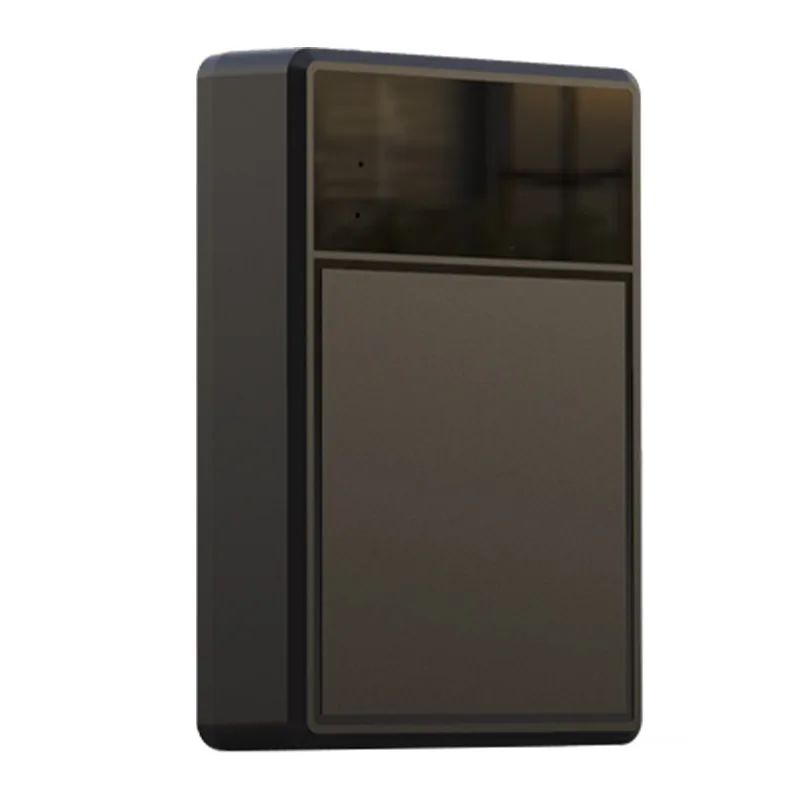
For trailer fleets, rental yards, construction equipment, containers and temporary outdoor assets, a magnetic GPS tracker can be easier to deploy than a wired vehicle tracker. But for B2B buyers, the question is not only whether the magnet is strong enough. The real purchasing decision should include battery strategy, housing design, network bands, firmware flexibility, platform compatibility and supplier support.
This guide explains how distributors, fleet solution providers and logistics operators can choose a 4G magnetic GPS tracker for trailer and heavy equipment tracking projects.
1. Match the Tracker to the Asset Type
A trailer, a container and a piece of heavy equipment may all need location visibility, but the tracking pattern is different. A trailer may move frequently between yards and routes. Heavy equipment may stay idle for long periods and then move unexpectedly. Containers may require scheduled reporting during long-distance shipping.
Before choosing a device, define the main tracking scenario: trailer monitoring, equipment anti-theft, yard management, cargo visibility or temporary asset deployment. This helps determine reporting interval, battery size, waterproof housing and alert logic.
2. Check Battery Life by Reporting Strategy
Battery life depends heavily on how often the tracker wakes up and reports. A device that reports every few minutes will consume power very differently from one that reports by schedule, movement or exception alerts.
- Frequent reporting: useful for active trailer fleets that need route visibility.
- Scheduled reporting: suitable for containers, equipment and long standby projects.
- Movement-triggered alerts: useful for anti-theft and abnormal movement monitoring.
- Low-power sleep mode: important when assets may sit idle for weeks or months.
When comparing suppliers, ask for battery performance under realistic reporting settings instead of only a headline standby number.
3. Confirm Magnetic Installation and Housing Design
A magnetic asset tracker should be easy to install, but it also needs to stay secure in outdoor and industrial environments. For trailer and equipment use, buyers should check magnet strength, housing structure, waterproof design and installation position.
For equipment yards, a discreet installation position can reduce removal risk. For trailer tracking, the device should be placed where signal reception remains stable and the housing is protected from direct impact.
4. Choose 4G Network Bands for the Target Market
For international distributors and IoT solution providers, network compatibility is a procurement issue. A 4G GPS tracker supplier should help confirm LTE bands for the target country or region before bulk orders.
If your project covers multiple countries, ask whether the same hardware version can support your main markets, or whether different regional versions are required. This is especially important for distributors serving fleet customers in different regions.
5. Evaluate Alerts, Firmware and Platform Integration
For B2B tracking projects, hardware is only one part of the solution. The device should support alert logic and communication behavior that fits your platform and customer workflow.
- Movement and vibration alerts for abnormal movement detection.
- Geofence alerts for yards, depots and restricted areas.
- Scheduled reporting for long battery applications.
- Low battery alerts for maintenance planning.
- Firmware configuration for platform protocol and reporting rules.
If you are a distributor or solution provider, ask the manufacturer whether they support OEM/ODM firmware settings, protocol adaptation, logo customization and packaging support.
6. Compare Supplier Support Before Bulk Orders
A reliable magnetic GPS tracker supplier should support technical confirmation before the order, sample testing before deployment and stable production for repeat orders. For B2B buyers, supplier communication can be as important as the device itself.
Useful questions include:
- Can the supplier confirm network bands for the destination market?
- Can firmware reporting intervals be customized?
- Can the device work with your current GPS tracking platform?
- Are sample units available for field testing?
- Can logo, packaging and accessories be customized for distributors?
Recommended Product Direction
For trailer, equipment and outdoor asset tracking projects, buyers can start with the Asset GPS Tracker category and compare models based on battery, housing, installation method and reporting strategy.
For magnetic container and trailer tracking, review the AW09A Magnetic 4G Asset GPS Tracker. For equipment tracking with long standby requirements, review the AW05A Long Standby 4G Asset GPS Tracker.
FAQ
What is the best GPS tracker for trailers?
For trailers, buyers usually need a 4G GPS tracker with stable positioning, movement alerts, geofence support and a battery/reporting strategy that fits the operating route.
Can magnetic GPS trackers be used for heavy equipment?
Yes, magnetic GPS trackers can be used for equipment tracking when installation position, signal reception, housing protection and anti-removal risk are properly considered.
Do B2B buyers need custom firmware?
Custom firmware can be useful when a distributor or solution provider needs specific reporting intervals, platform protocol support, alert logic or regional network settings.
Can ALL WAY GPS support OEM/ODM orders?
ALL WAY GPS supports OEM/ODM customization for qualified B2B projects, including hardware selection, firmware settings, logo, packaging and bulk order support.
Need a magnetic GPS tracker for trailers, equipment or outdoor assets? Contact ALL WAY GPS to discuss your application, target market and customization requirements.
 Vehicle GPS Tracker
 Asset GPS Tracker
 OBD GPS Tracker
 Pet GPS Tracker
 Tag Tracker