



News
How to Choose GPS Trackers for Your Own Platform: B2B Integration Checklist

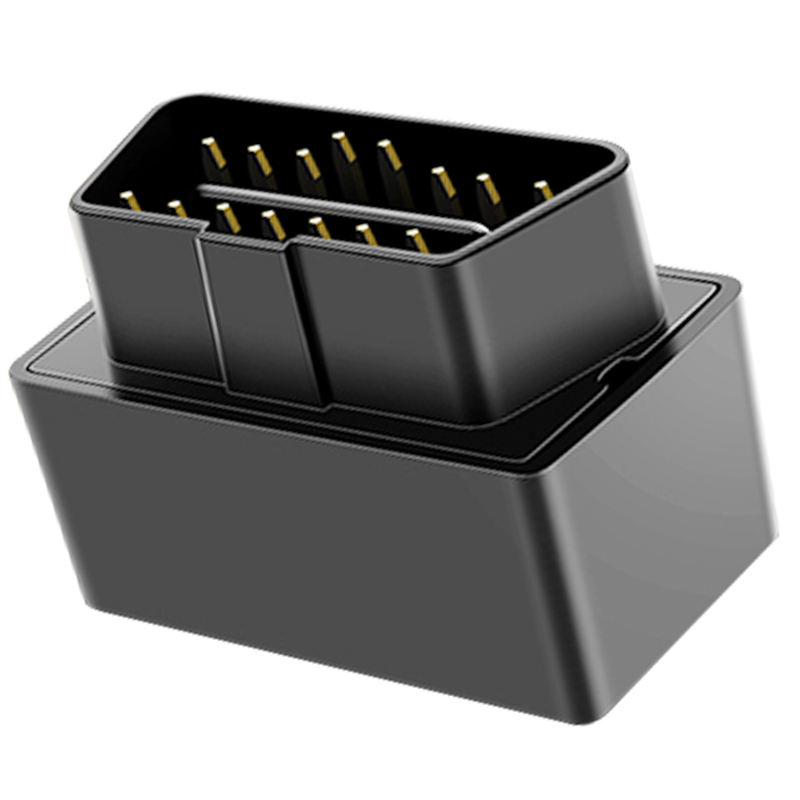
For GPS tracker distributors, IoT integrators and fleet solution providers, device selection should begin with the tracking platform, not the hardware catalog. A 4G tracker may provide location data, but a successful deployment also depends on the protocol, server settings, reporting interval, alerts, target-market LTE bands and the way your own platform receives and uses the data.
This B2B checklist explains how to choose GPS tracking devices for an existing platform, proprietary app or customer project. It is designed for buyers planning fleet, logistics, rental-car, trailer or asset-tracking deployments that need sample validation before bulk orders.
Start with the Platform Requirement, Not the Device Name
Before comparing OBD, hardwired or battery-powered trackers, define what your platform must receive and what the operations team needs to do with the data. This helps buyers avoid ordering a device that looks suitable on paper but does not match the intended reporting workflow.
- What location, status and alert data does the platform need?
- Does the platform have a required protocol, server configuration or data format?
- What reporting intervals are appropriate for the fleet or asset workflow?
- Which alerts need to be visible to operators or customers?
- Is the project deployed in one country or several markets with different LTE band requirements?
Match the GPS Tracker Type to the Platform Use Case
Platform integration starts with the correct device direction. The installation method and power conditions often decide whether the project should use an OBD, wired vehicle or battery-powered asset tracker.
- Rental cars and compatible fleet vehicles: review the 4G OBD GPS Tracker for plug-in deployments and the rental car fleet management guide.
- Logistics and fixed-installation vehicle projects: compare the 4G Vehicle GPS Tracker with the logistics and fleet management solution.
- Trailers, containers and non-wired assets: evaluate the AW09A Magnetic 4G Asset GPS Tracker and the trailer tracking application guide.
Confirm Protocol, Firmware and Server Settings Early
Buyers with their own tracking platform should prepare integration information before requesting samples. This may include the target server, protocol requirements, reporting interval, alarm logic, APN or SIM approach and the commands or data fields that the project expects. The exact configuration should be evaluated with the selected device during sample testing.
For OEM or private-label projects, firmware settings can be just as important as the device enclosure. Confirm what must be configured before shipment, what can be changed later and what needs to be tested in the buyer’s platform environment. Use our OEM GPS tracking device hardware and firmware checklist to organize these requirements alongside branding, accessories and sample acceptance criteria.
Check LTE Bands Before You Test Platform Data
A platform test is not meaningful if the device version does not match the intended network environment. Share the target country or countries at the start of the project so that LTE band requirements can be checked before samples are selected. This is especially important for distributors who plan to sell the same platform solution into more than one market.
Run a Sample Test Like a Real Deployment
A sample should be tested in the same conditions that the final user will face. A short desk test may confirm that a device can send data, but it does not validate the installation method, network behavior, route reporting or alert workflow for a live fleet or asset project.
- Install the tracker on a representative vehicle, trailer or asset.
- Confirm location reporting and route history in the buyer’s platform.
- Check required alarms and status information in the expected workflow.
- Verify device behavior after normal operation, power changes or movement as applicable.
- Record required firmware, server and platform settings before scaling to a bulk order.
What to Include in a GPS Tracker Integration RFQ
- Application type: fleet vehicle, rental car, trailer, container, equipment or other asset.
- Target country and network requirements.
- Preferred tracker type and installation method.
- Platform, protocol or server requirements that are available for the project.
- Reporting interval, alert logic and data workflow.
- Sample quantity, estimated bulk quantity and any OEM/ODM requirements.
Work with a Supplier That Supports Integration Planning
GPS tracker platform integration is a project process, not a checkbox. The supplier, device type, network version, firmware settings and sample plan should work together. For more B2B planning details, review the OEM GPS tracker manufacturing capability page and the GPS tracker quality control guide.
FAQ
Can GPS trackers connect to my own tracking platform?
Platform compatibility should be evaluated with the selected device during sample testing. Buyers should provide available server, protocol, reporting and alert requirements so the required settings can be confirmed for the project.
What information is needed for GPS tracker platform integration?
Useful information includes the application, target country, LTE bands, selected device type, installation method, platform or server requirements, reporting interval, alert workflow and estimated quantity.
Should I test OBD, hardwired and asset trackers on the same platform?
Yes, when a project uses more than one device type. Test each tracker in its intended vehicle or asset scenario because installation, power conditions and reporting workflow can differ.
Can ALL WAY GPS support OEM platform integration projects?
ALL WAY GPS can discuss qualified B2B projects involving device selection, firmware parameters, platform integration, samples, branding and bulk supply requirements.
Need GPS tracker samples for your own platform? Contact ALL WAY GPS with your project requirements, target market and estimated quantity.
 Vehicle GPS Tracker
 Asset GPS Tracker
 OBD GPS Tracker
 Pet GPS Tracker
 Tag Tracker