



News
OBD vs Hardwired vs Battery GPS Trackers for Fleet & Asset Projects

For GPS tracker distributors, fleet solution providers and IoT integrators, choosing between an OBD, hardwired or battery-powered GPS tracker changes more than installation. It affects the power source, deployment speed, asset type, platform workflow and the sample test plan. A device that fits a rental-car rollout may not fit an unpowered trailer or a fixed-installation logistics vehicle.
This B2B buyer guide compares the three common GPS tracker directions for fleet and asset projects. Use it to prepare a clearer RFQ, select samples and match your target application with the right 4G tracking device.
Quick Answer: Which GPS Tracker Type Fits the Project?
| Device type | Often suitable for | Key procurement checks |
|---|---|---|
| 4G OBD GPS tracker | Rental cars, dealer fleets, service vehicles and fast plug-in deployments | Vehicle OBD compatibility, LTE bands, platform settings and removal or operating alerts |
| Hardwired 4G vehicle GPS tracker | Fleet vehicles with a fixed installation plan and an available power source | Installation method, vehicle conditions, LTE bands, firmware, protocol and project alerts |
| Battery-powered magnetic asset tracker | Trailers, containers, equipment and movable assets where wiring is not practical | Mounting position, reporting interval, battery expectation, LTE bands and asset workflow |
When an OBD GPS Tracker Is the Better Choice
An OBD GPS tracker is usually the first device type to evaluate when a project needs quick installation on compatible vehicles. It can be useful for rental cars, dealer fleets and service vehicles where a plug-in approach reduces installation time. It is not automatically the right choice for every vehicle, so buyers should confirm OBD-port compatibility and test representative models before a large deployment.
For this type of project, review the 4G OBD GPS Tracker and the rental car fleet management application guide. Confirm the country, LTE band requirements, SIM or server settings and tracking-platform protocol during the sample stage.
When a Hardwired GPS Tracker Is the Better Choice
A hardwired GPS tracker is a practical direction for fleet vehicles that have an available power source and a fixed installation plan. It is commonly evaluated for logistics vehicles, commercial vans, service fleets and other projects where the tracker is intended to remain installed with the vehicle.
The key question is not simply whether a tracker can be installed. Buyers should confirm the intended vehicle type, installation process, platform reporting, firmware parameters and required alerts before requesting bulk pricing. Start with the 4G Vehicle GPS Tracker for Fleet Management and compare the logistics and fleet management solution.
When a Battery-Powered GPS Tracker Is the Better Choice
A battery-powered asset tracker is often the better direction for assets without convenient wired installation, including trailers, containers, equipment and movable logistics assets. For these projects, buyers should focus on the planned reporting interval, mounting position, asset movement pattern, target-market network coverage and expected battery operating cycle.
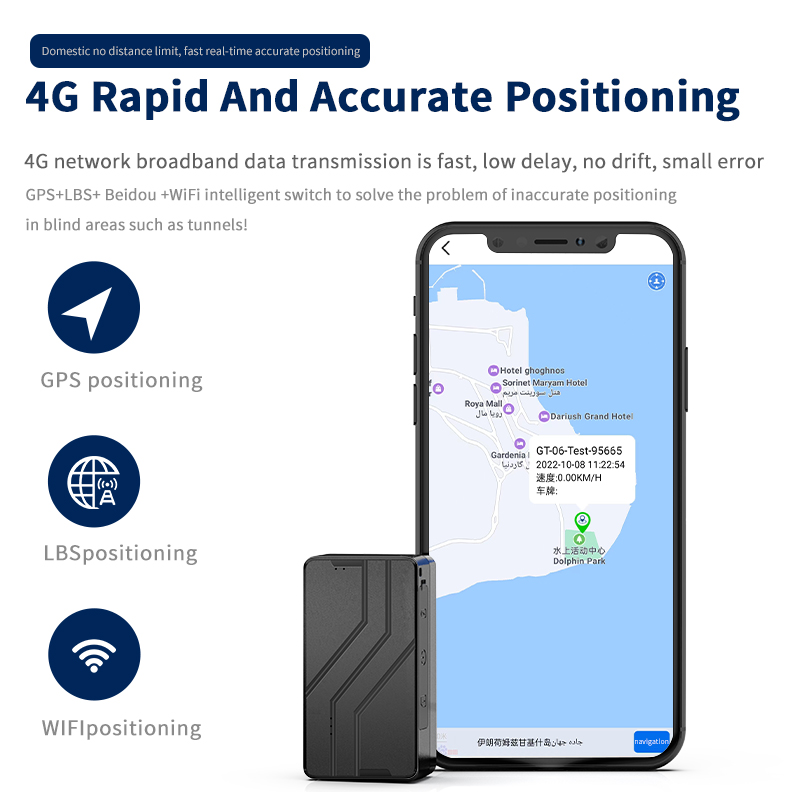
The AW09A Magnetic 4G Asset GPS Tracker supports 4G LTE, 3G and 2G GSM connectivity, GPS, BeiDou, LBS and WiFi positioning, plus vibration alerts. Review the trailer tracking application guide and the container shipping tracking solution before selecting samples.
Do Not Choose Hardware Before Checking Platform Integration
Hardware selection and tracking-platform compatibility should be evaluated together. A distributor may need to connect devices to an existing platform, while an IoT integrator may need server settings, protocol documentation, reporting intervals and alarm logic to match its own workflow. Confirm the platform and firmware requirements before finalizing the device model.
- Target country and suitable LTE band requirements.
- Tracking platform, server settings or protocol requirements.
- Reporting interval, alert logic and data workflow.
- Installation method and sample-test vehicle or asset list.
- OEM/ODM requirements for logo, label, packaging or firmware settings.
B2B Sample Test Checklist Before Bulk Orders
Before scaling a deployment, test the selected tracker in the same environment where the customer will use it. A small sample order can validate fit before the project commits to a larger device rollout.
- Test GPS positioning and route-history reporting in the intended operating area.
- Confirm network connection and data reporting on the target platform.
- Check OBD compatibility, hardwired installation or magnetic mounting as applicable.
- Validate relevant alerts and firmware parameters for the project workflow.
- Confirm packaging, labels and repeat-supply requirements for OEM/ODM projects.
Work with a GPS Tracker Supplier That Supports the Project
For B2B buyers, the right choice is not simply OBD, hardwired or battery-powered hardware. It is the device type that fits the installation, asset, network, platform and support process. Read the OEM GPS tracker manufacturing capability overview or the GPS tracker quality control guide before preparing a distributor or project RFQ.
FAQ
Is an OBD or hardwired GPS tracker better for fleet vehicles?
An OBD tracker may suit compatible vehicles that need a plug-in installation, while a hardwired tracker is often evaluated for fixed-installation fleet projects. The right choice depends on vehicle compatibility, installation policy, platform requirements and the expected operating workflow.
What GPS tracker is suitable for trailers and containers?
A battery-powered magnetic asset GPS tracker can be a suitable direction when wired installation is not practical. Buyers should confirm the mounting position, reporting interval, LTE bands and sample-test plan for the intended trailer or container project.
Can these GPS trackers connect to an existing platform?
Platform compatibility should be confirmed during sample testing. Buyers should provide the server, protocol and data-reporting requirements so firmware and device settings can be evaluated before bulk orders.
Can distributors request OEM or private-label GPS trackers?
Qualified B2B projects can discuss logo, label, packaging, firmware parameters and bulk supply requirements with ALL WAY GPS.
Need help selecting GPS tracker samples for a fleet or asset project? Contact ALL WAY GPS with the application, country, platform and estimated quantity.
 Vehicle GPS Tracker
 Asset GPS Tracker
 OBD GPS Tracker
 Pet GPS Tracker
 Tag Tracker